

Aerial photography has transformed how we document landscapes, events, and creative projects. For drone enthusiasts seeking to elevate their visuals, Fisheye Lenses for Drones offer a game-changing solution. These specialized lenses, known for their extreme wide-angle views and distinctive distortion, unlock new creative possibilities.
What Are Fisheye Lenses for Drones?
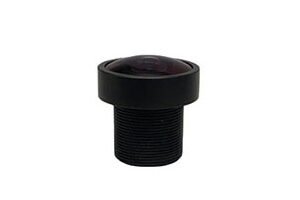
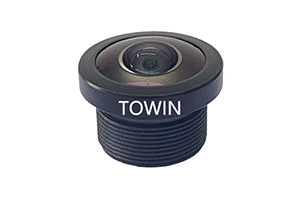
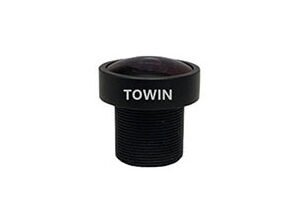
Fisheye Lenses for Drones are ultra-wide-angle lenses designed to capture a hemispherical view of the environment. Unlike standard lenses, which produce natural-looking images, fisheye lenses create a dramatic, curved distortion that emphasizes the vastness of a scene. This effect is achieved by bending light at the edges of the frame, resulting in a 180-degree or even 220-degree field of view.
For drones, Fisheye Lenses are typically lightweight and compact, ensuring compatibility with popular models like the DJI Mavic or Phantom series. They attach directly to the drone’s camera gimbal, replacing the standard lens to deliver sweeping panoramas and immersive footage.
Key Benefits of Using Fisheye Lenses for Drones
1. Ultra-Wide Coverage in a Single Shot
Traditional drone lenses often require multiple shots stitched together to capture expansive landscapes. Fisheye Lenses for Drones eliminate this hassle by fitting vast scenes—from mountain ranges to city skylines—into a single frame. This efficiency saves time during post-production and ensures seamless visuals.
2. Creative Distortion for Artistic Flair
The signature curved distortion of Fisheye Lenses adds a surreal, dynamic quality to footage. This effect is ideal for music videos, action sports, or abstract art projects where conventional perspectives fall short. By exaggerating lines and shapes, Fisheye Lenses for Drones help creators stand out in a crowded digital landscape.
3. Enhanced Low-Light Performance
Many Fisheye Lenses for Drones feature wider apertures (e.g., f/2.8 or lower), allowing more light to reach the sensor. This improves image quality in dimly lit environments, such as sunset shoots or nighttime cityscapes. Combined with a drone’s stability, this feature ensures crisp, vibrant footage even in challenging conditions.
4. Compact and Lightweight Design
Drone payload capacity is limited, so every gram matters. Fisheye Lenses for Drones are engineered to be featherlight, often weighing under 100 grams. This minimal weight ensures the drone maintains optimal flight performance while expanding its creative capabilities.
5. Cost-Effective Alternative to Multiple Lenses
Investing in a Fisheye Lens for Drones can be more economical than purchasing several specialized lenses for different shooting scenarios. Its versatility allows users to experiment with wide-angle, macro, and creative effects without swapping gear mid-flight.
How to Choose the Best Fisheye Lens for Your Drone
- Field of View (FOV): Opt for lenses with at least 180-degree FOV for maximum coverage.
- Weight and Size: Ensure the lens fits your drone’s payload limits without compromising stability.
- Build Quality: Look for durable materials like aluminum or carbon fiber to withstand outdoor conditions.
FAQs
Can Fisheye Lenses for Drones Be Used for Real Estate Photography?
Yes! Fisheye Lenses excel at capturing interior spaces in a single shot, making them ideal for virtual tours or small rooms. However, distortion correction may be needed for a polished finish.
Do Fisheye Lenses Affect Drone Battery Life?
No, the additional weight of a Fisheye Lens is negligible and unlikely to impact flight time significantly. However, heavier lenses could slightly reduce maneuverability.
Are Fisheye Lenses for Drones Waterproof?
Most Fisheye Lenses for Drones are weather-resistant but not fully waterproof. Avoid flying in heavy rain or submerging the lens to prevent damage.
Can I Use Fisheye Lenses for Drones with Gimbal Stabilization?
Yes! Many Fisheye Lenses are designed to work seamlessly with drone gimbals, ensuring smooth footage even during complex movements.
What Software Is Best for Correcting Fisheye Distortion?
Adobe Premiere Pro, Final Cut Pro, and DaVinci Resolve offer built-in tools to straighten curved lines. Free alternatives like GIMP or Lightroom also provide basic correction features.
Final Thoughts
Fisheye Lenses for Drones are a powerful tool for photographers and filmmakers looking to push creative boundaries. Their ability to capture sweeping vistas, artistic distortion, and low-light scenes makes them indispensable for certain projects.