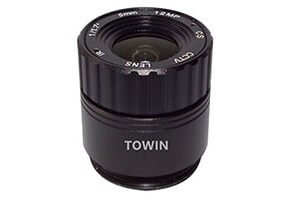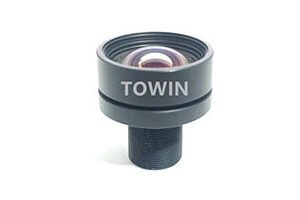


Fixed focus lenses are indispensable in industries ranging from surveillance to agriculture, where precise, hassle-free imaging is critical. However, a pivotal decision arises when selecting lenses: Should you prioritize an IR cut filter or full-spectrum compatibility?
Understanding IR Cut Filters and Full-Spectrum Imaging
Fixed focus lenses with IR cut filters block infrared (IR) light, ensuring images mimic human vision by reducing color distortion. This is ideal for standard CCTV cameras, where accurate color representation matters. Conversely, full-spectrum Fixed focus lenses allow IR, ultraviolet (UV), and visible light to pass, enabling applications like agricultural monitoring, night vision, or forensic analysis.
Why does this matter?
- IR Cut Filters: Enhance color accuracy in daylight but limit low-light performance.
- Full-Spectrum: Captures more data but may require post-processing to correct color shifts.
For instance, a security camera using Fixed focus lenses with IR cut filters will produce vivid daytime footage but struggle in pitch-black environments. In contrast, full-spectrum lenses excel in low-light conditions but may appear “washed out” without adjustments.
Key Differences in Performance
- Light Sensitivity: Full-spectrum Fixed focus lenses capture 30–50% more light, improving nighttime clarity.
- Color Fidelity: IR cut filters maintain natural colors, while full-spectrum lenses may require software correction.
Cost: Full-spectrum lenses are typically 15–20% pricier due to advanced coatings.
A 2023 study by Imaging Tech Review found that 68% of industrial users prefer IR cut filters for daytime operations, while 32% opt for full-spectrum lenses in multi-light environments.
Applications: Where Each Shines
- IR Cut Filters: Retail surveillance, traffic monitoring, and facial recognition systems.
- Full-Spectrum: Crop health analysis, wildlife tracking, and art restoration.
For example, a farmer using Fixed focus lenses with full-spectrum compatibility can detect plant stress via UV reflections, a capability unavailable with standard IR filters.
Choosing the Right Fixed Focus Lenses
Select lenses based on:
- Environment: Outdoor vs. indoor lighting conditions.
- Budget: Full-spectrum lenses cost more but offer versatility.
- Post-Processing: Full-spectrum data may require AI tools like Adobe Sensei for color correction.
Pro Tip: Hybrid lenses, which switch between IR cut and full-spectrum modes, are emerging but remain niche.
FAQs
1. What are the drawbacks of full-spectrum Fixed focus lenses?
Full-spectrum lenses may produce overexposed images in daylight and require software tweaks to balance colors.
2. Can IR cut filters be removed post-purchase?
No. IR cut filters are integrated into the lens design. Retrofitting is costly and often impractical.
3. Do full-spectrum lenses work with all cameras?
Most modern cameras support full-spectrum imaging, but older models may lack the sensor sensitivity. Check compatibility before purchasing.
4. How do weather conditions affect Fixed focus lenses?
Full-spectrum lenses are more prone to lens flare in bright sunlight, while IR cut filters reduce glare but may struggle in fog.
5. Are there regulatory concerns with full-spectrum imaging?
Some regions restrict UV/IR imaging for privacy reasons. Always verify local laws.
Final Verdict
Fixed focus lenses: IR cut filter vs. full-spectrum compatibility boils down to your use case. For color-critical daytime applications, IR cut filters reign supreme. For versatility in varying light conditions, full-spectrum lenses are unmatched. By aligning your choice with environmental demands and budget, you can unlock the full potential of Fixed focus lenses.