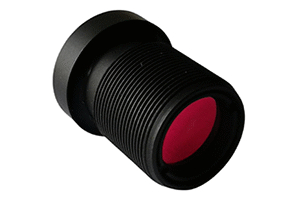


The automotive industry has witnessed revolutionary advancements in safety and performance, and at the forefront of this evolution lies the High-clarity Automotive lens. These lenses are not just ordinary glass or plastic components; they are precision-engineered optical marvels designed to optimize visibility, reduce glare, and withstand harsh environmental conditions.
What Makes an Automotive Lens “High-Clarity”?
A High-clarity Automotive lens is crafted using advanced materials and manufacturing processes to minimize distortions, reflections, and chromatic aberrations. Unlike standard lenses, which may scatter light or reduce contrast, high-clarity variants use:
- Multi-layer coatings to reduce glare and enhance light transmission.
- Scratch-resistant surfaces to maintain optical performance over time.
- UV protection to shield drivers from harmful rays.
- Thermal stability to prevent warping in extreme temperatures.
These features collectively ensure that the lens provides unparalleled visibility, even in challenging driving conditions.
Key Benefits of High-Clarity Automotive Lenses
1. Enhanced Safety in Low-Light Conditions
High-clarity Automotive lenses significantly improve visibility during night driving or in foggy weather. By reducing internal reflections and optimizing light transmission, they help drivers spot obstacles, pedestrians, and road signs sooner, reducing the risk of accidents.
2. Reduced Glare from Headlights and Sun
Glare from oncoming headlights or sunlight can temporarily blind drivers, leading to dangerous situations. High-clarity lenses incorporate anti-reflective coatings that minimize glare, ensuring a clearer view of the road ahead.
3. Durability Against Environmental Factors
Automotive lenses are exposed to dust, debris, and extreme weather. High-clarity lenses are built to resist scratches, chemicals, and UV degradation, maintaining their optical quality for years.
4. Improved Aesthetics and Design Flexibility
Modern vehicles demand sleek, aerodynamic designs. High-clarity lenses allow for thinner, more contoured shapes without compromising performance, enhancing both aesthetics and functionality.
5. Compatibility with Advanced Driver-Assistance Systems (ADAS)
As vehicles become smarter, sensors and cameras rely on clear optics for accurate functioning. High-clarity lenses ensure that ADAS features like lane departure warnings and adaptive cruise control work flawlessly.
6. Cost-Effectiveness in the Long Run
While high-clarity lenses may have a higher upfront cost, their durability reduces the need for frequent replacements, saving money over time.
7. Eco-Friendly Manufacturing
Many high-clarity lenses are now produced using sustainable materials and processes, aligning with the automotive industry’s push toward greener technologies.
How High-Clarity Automotive Lenses Are Made
- Material Selection: High-grade polycarbonate or acrylic is chosen for its optical clarity and impact resistance.
- Precision Molding: The lens is molded into shape using computer-controlled machines to ensure accuracy.
- Coating Application: Multi-layer coatings are applied to reduce reflections and enhance durability.
- Quality Testing: Each lens undergoes rigorous testing for clarity, distortion, and resistance to environmental factors.
FAQs
Are High-clarity lenses worth the extra cost?
Absolutely! The enhanced safety, longevity, and compatibility with advanced technologies make them a worthwhile investment for any vehicle owner.
Can High-clarity lenses be used in all types of vehicles?
Yes, they are suitable for cars, trucks, motorcycles, and even off-road vehicles. Their versatility makes them ideal for any application requiring clear vision.
How do I maintain a High-clarity Automotive lens?
Regular cleaning with a microfiber cloth and mild detergent is sufficient. Avoid abrasive materials that could scratch the surface.
Do High-clarity lenses reduce fogging?
While they don’t eliminate fogging entirely, some high-clarity lenses come with hydrophobic or anti-fog coatings to minimize the issue.
Are there any downsides to High-clarity lenses?
The primary downside is the higher initial cost, but this is offset by their long-term benefits.
Conclusion
In an era where safety and technology are paramount, the High-clarity Automotive lens stands out as a critical component for every vehicle. Its ability to enhance visibility, reduce glare, and withstand environmental challenges makes it indispensable for drivers worldwide.