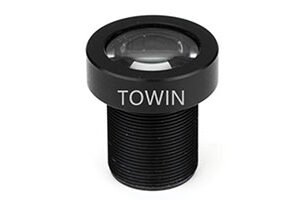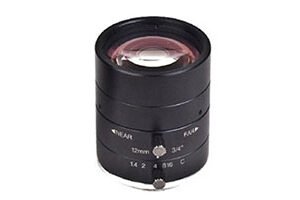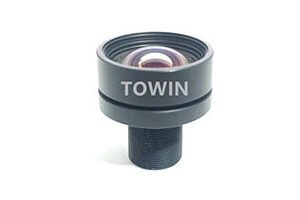


In the world of optics, clarity and accuracy are non-negotiable. Whether you’re capturing breathtaking landscapes, designing cutting-edge machinery, or conducting critical scientific research, the quality of your lens directly impacts results. Enter the high-precision low distortion lens—a revolutionary optical component engineered to minimize imperfections and maximize performance.
What Is a High-Precision Low Distortion Lens?
A high-precision low distortion lens is a specialized optical element designed to reduce geometric distortions, such as barrel or pincushion distortion, while maintaining exceptional image sharpness. Unlike standard lenses, which may introduce unwanted curvature or blurriness, these lenses preserve the integrity of the captured image, making them ideal for applications where accuracy is paramount.
Key Features:
- Minimal Distortion: Corrects optical aberrations to <0.1% distortion levels.
- High Precision: Manufactured using advanced polishing and coating techniques.
- Versatility: Suitable for both visible and infrared light spectrums.
How Does a High-Precision Low Distortion Lens Work?
The magic lies in its design. These lenses use aspherical surfaces—non-spherical shapes that counteract distortion by bending light more precisely than traditional lenses. Additionally, multi-element configurations and anti-reflective coatings further enhance performance by reducing chromatic aberration and light loss.
Top Applications of High-Precision Low Distortion Lenses
1. Machine Vision & Industrial Automation
- Used in robotics and assembly lines to inspect components with microscopic precision.
- Reduces false positives in defect detection by maintaining consistent image quality.
2. Aerospace & Defense
Critical for surveillance drones and satellite imaging, where distortion-free visuals are essential for mission success.
3. Medical Imaging
Enhances endoscopes and microscopes, enabling surgeons to view tissues without distortion during procedures.
4. Photography & Cinematography
Professional filmmakers and photographers rely on these lenses for architectural shots and product photography, where straight lines must remain perfectly straight.
5. Augmented Reality (AR) & Virtual Reality (VR)
Minimizes “screen door effect” by ensuring uniform pixel distribution across the field of view.
Why Choose a High-Precision Low Distortion Lens Over Standard Lenses?
- Superior Image Quality: Eliminates warping, ensuring true-to-life representations.
- Cost Efficiency: Reduces post-processing time by delivering cleaner images upfront.
- Durability: Built with robust materials like fused silica or sapphire for long-term reliability.
- Customization: Available in various focal lengths and apertures to suit specific needs.
FAQs
What causes distortion in lenses?
Distortion arises from imperfections in lens design, such as spherical aberration or misalignment of optical elements. A high-precision low distortion lens mitigates these issues through advanced engineering.
Are these lenses compatible with all cameras?
Yes, but compatibility depends on the lens mount and sensor size. Consult your manufacturer for specific recommendations.
How do I maintain a high-precision low distortion lens?
Clean regularly with a microfiber cloth and store in a protective case to avoid scratches. Avoid exposure to extreme temperatures or humidity.
Can these lenses be used underwater?
Some models are waterproof, but always verify specifications before submersion.
What’s the difference between low distortion and apochromatic lenses?
Low distortion lenses focus on geometric accuracy, while apochromatic lenses correct chromatic aberration (color fringing). Many premium lenses combine both features.
Final Thoughts
In an era where precision defines success, settling for subpar optics is no longer an option. A high-precision low distortion lens isn’t just a tool—it’s an investment in quality, efficiency, and innovation.