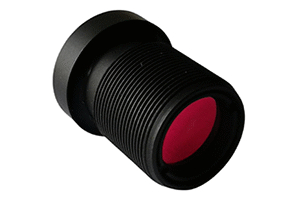


The rapid advancements in automotive technology have made vehicles smarter, safer, and more efficient. One of the core components that drive these innovations is the automotive camera system, which plays a vital role in improving safety features such as parking assistance, lane-keeping assistance, and collision detection. A crucial part of this system is the automotive lens, which ensures high-quality imaging for the vehicle’s camera sensors.
What is an Automotive Lens?
An automotive lens is a specialized optical component designed to work in conjunction with automotive cameras. These lenses are engineered to provide clear and accurate visuals in all driving conditions, from bright daylight to low-light environments such as night driving or foggy conditions.
Automotive lenses are optimized to capture wide-angle views and ensure high-definition image quality, critical for systems such as rearview cameras, forward-facing cameras, and 360-degree monitoring systems. In fact, the quality of these lenses directly impacts the performance of the camera system and, consequently, the overall safety and driving experience.
Why are Lenses for Automotive Cameras Important?
The role of lenses for automotive cameras goes far beyond just image capture. They enable a range of safety features that help drivers navigate challenging environments. Here are some of the primary benefits of these lenses:
- 1. Enhanced Safety: Automotive lenses ensure that cameras can capture critical areas around the vehicle, such as blind spots or the rear of the vehicle, reducing the likelihood of accidents.
- 2. Improved Night Vision: Special coatings and materials in automotive lenses help improve image clarity even in low-light conditions, making night driving safer.
- 3. Wide-Angle Views: Automotive lenses often have a wide field of view, which is essential for creating a comprehensive 360-degree view around the vehicle. This allows for better decision-making, especially when reversing or maneuvering in tight spaces.
- 4. Weather Resistance: Automotive lenses are designed to resist the harsh conditions of outdoor environments. They are built to withstand temperature fluctuations, UV exposure, and the effects of rain and dirt, ensuring the camera system remains effective at all times.
Key Features to Consider When Choosing an Automotive Lens
When selecting lenses for automotive cameras, several factors must be taken into account to ensure optimal performance and durability. Here are the key features to consider:
- 1. Lens Material: Automotive lenses are typically made from high-quality optical glass or advanced polymers that offer superior clarity and resistance to scratching and distortion.
- 2. Field of View (FOV): A wider FOV ensures that the camera captures more area, making it ideal for parking sensors and lane assist systems. A standard automotive camera typically offers a FOV between 120° and 180°.
- 3. Lens Coating: Anti-reflective coatings and hydrophobic treatments are essential for minimizing glare and ensuring clear visuals in wet conditions. This feature is particularly important for lenses used in forward-facing cameras, where glare from the sun can reduce image quality.
- 4. Resolution: Higher resolution lenses are essential for clearer and sharper images. As vehicle cameras evolve to offer 4K or even 8K quality, lenses must be able to support high-definition sensors.
- 5. Durability: Lenses for automotive cameras must be able to withstand extreme temperatures, vibration, and moisture. Automotive lenses with high durability ensure a long lifespan and consistent performance.
Types of Lenses for Automotive Cameras
Different camera systems in vehicles may require specific types of lenses for automotive cameras, depending on the function they perform. Some of the most common types include:
- Wide-Angle Lenses: Used for capturing a broad view of the environment, these lenses are ideal for parking assist and surround-view camera systems.
- Telephoto Lenses: These lenses are commonly used for long-range applications, such as forward collision warning systems, to capture distant objects and road conditions.
- Fish-eye Lenses: A common choice for 360-degree camera systems, these lenses provide an ultra-wide view and are often used in self-driving cars for real-time environment mapping.
- Infrared Lenses: These lenses are used for night vision systems and can capture infrared light to provide clear images even in complete darkness.
FAQs
1. What makes automotive lenses different from regular camera lenses?
Automotive lenses are designed to withstand the harsh conditions of driving environments. They are more durable, have special coatings for improved visibility in low light or wet conditions, and often feature wide angles to capture a broader field of view compared to regular camera lenses.
2. Can I upgrade the lenses on my vehicle’s camera system?
Yes, many vehicles offer the option to upgrade or replace the lenses of their camera systems, especially in aftermarket installations. Upgrading to higher-quality lenses can improve the overall performance of the camera system, especially in terms of image clarity and low-light visibility.
3. Do automotive lenses improve the quality of video feeds?
Absolutely. High-quality lenses for automotive cameras significantly enhance the video feed by providing sharper, clearer images, especially in challenging driving conditions like low light, rain, or glare from the sun.
4. Are automotive lenses compatible with all vehicles?
Most automotive lenses are compatible with a wide range of vehicles, but it’s important to check the specifications of both the camera system and the lens to ensure compatibility. Some systems may require specific lens types to function correctly.
Conclusion
The lenses for automotive cameras are an essential part of any modern vehicle’s camera system, providing enhanced safety, improved vision, and greater clarity for driving in various conditions. As vehicle technology continues to evolve, so will the demands placed on automotive lenses.