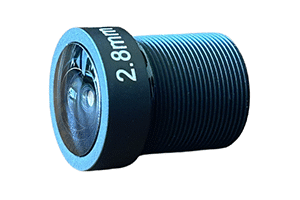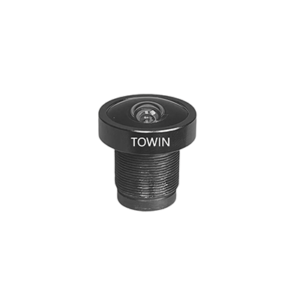


Photography enthusiasts often face a dilemma: carrying heavy gear limits mobility, but compromising on lens quality affects results. Enter the Lightweight Wide Angle Lens for Portability—a game-changer for creators who prioritize flexibility without sacrificing image quality.
Why Opt for a Lightweight Wide Angle Lens for Portability?
A Lightweight Wide Angle Lens for Portability solves two critical problems: physical strain and missed opportunities. Heavy lenses force photographers to leave gear behind or skip shots due to fatigue. In contrast, a lightweight option slips effortlessly into a bag, enabling spontaneous creativity.
Key Benefits:
- Reduced Fatigue: Carry your setup for hours without shoulder or wrist strain.
- Travel-Friendly: Fits into smaller bags, perfect for hiking or city exploration.
- Versatility: Shoot landscapes, architecture, or group portraits with minimal lens swaps.
- Affordability: Many budget-friendly options deliver professional-grade results.
Features to Look for in a Lightweight Wide Angle Lens
Not all Wide Angle Lenses are created equal. Prioritize these features to balance portability and performance:
1. Focal Length Range
A focal length between 10mm and 24mm suits most scenarios. Ultra-wide lenses (10-14mm) excel at landscapes, while moderate ranges (18-24mm) work well for portraits.
2. Aperture Size
Larger apertures (e.g., f/2.8) allow more light, crucial for low-light shooting. However, smaller apertures (f/4-f/5.6) reduce weight and cost.
3. Image Stabilization
Optical stabilization (OSS/VR) minimizes blur from hand tremors, especially useful when shooting video or in dim conditions.
4. Build Quality
Weather-sealed lenses resist dust and moisture, making them reliable for outdoor adventures.
5. Autofocus Speed
Fast, silent autofocus (AF) benefits videographers and action photographers.
How to Use a Lightweight Wide Angle Lens Effectively
Even the best gear requires skill to maximize its potential. Follow these tips:
- Avoid Distortion: Keep horizons centered and avoid tilting the camera upward/downward.
- Get Close: Wide angles exaggerate perspective, so fill the frame with foreground elements for depth.
- Use Leading Lines: Roads, fences, or rivers guide the viewer’s eye through the image.
- Mind the Edges: Check for vignetting or softness in corners, especially at wider apertures.
FAQs
Are Wide Angle Lenses good for portraits?
Yes! When used creatively, they emphasize facial features and environmental context. Just avoid placing subjects too close to the edges to prevent distortion.
How do I reduce lens flare with a Wide Angle Lens?
Use a lens hood, shoot with the sun outside the frame, or block stray light with your hand.
Is image stabilization necessary for a Wide Angle Lens?
It depends on your shooting style. Stabilization helps in low light or when shooting handheld video, but tripods negate the need for it.
Final Thoughts
A Lightweight Wide Angle Lens for Portability is a smart investment for photographers who value freedom and creativity. By prioritizing features like focal length, aperture, and build quality, you can find a lens that suits your style without weighing you down.