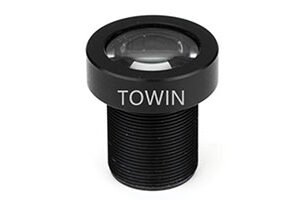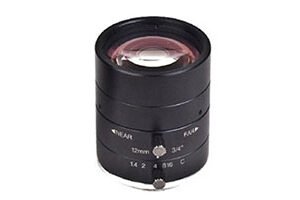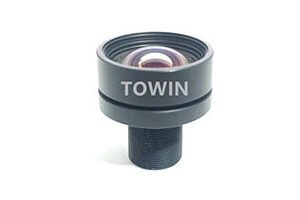


In the rapidly evolving world of 3D scanning, precision is non-negotiable. Whether you’re reverse-engineering automotive parts, creating lifelike digital twins, or designing medical implants, even minor distortions can derail projects. Enter the low distortion lens for 3D scanning—a cutting-edge optical component designed to minimize warping, enhance accuracy, and streamline workflows.
Why Precision Matters in 3D Scanning
3D scanning relies on capturing minute details to recreate objects in digital form. Traditional lenses often introduce distortions like barrel distortion (edges bending outward) or pincushion distortion (edges bending inward), leading to skewed measurements and flawed models. A low distortion lens for 3D scanning eliminates these issues by maintaining geometric integrity, ensuring every scan is as close to reality as possible.
For industries like aerospace, where a 0.1mm error can compromise safety, or healthcare, where prosthetics must fit perfectly, the stakes are high. A study by Optical Engineering Journal found that low distortion lenses reduce measurement errors by up to 70% compared to standard lenses, making them indispensable for high-stakes applications.
Key Features of a Low Distortion Lens for 3D Scanning
- 1. Advanced Optical Design: These lenses use aspherical elements to correct distortions that spherical lenses can’t fix.
- 2. Wide Field of View: They capture larger areas without sacrificing clarity, ideal for scanning large objects like vehicles or buildings.
- 3. High Resolution: By minimizing aberrations, they produce sharper images, enabling finer details to be captured.
- 4. Durability: Built with rugged materials, they withstand harsh environments like factory floors or outdoor sites.
- 5. Compatibility: Many low distortion lenses integrate seamlessly with popular 3D scanning software and hardware.
Applications Across Industries
The versatility of a low distortion lens for 3D scanning makes it valuable in multiple sectors:
- Automotive: Scan engine components or entire car bodies to detect manufacturing defects.
- Healthcare: Create custom orthotics or surgical guides with millimeter-level precision.
- Architecture: Digitize historical buildings or complex structures for preservation or renovation.
- Entertainment: Capture actors’ facial expressions or props for CGI in films and video games.
- Manufacturing: Inspect parts for quality control, reducing waste and rework.
A low distortion lens for 3D scanning isn’t just a tool—it’s a catalyst for innovation, enabling industries to push boundaries while maintaining rigor.
How to Choose the Right Low Distortion Lens
Selecting the perfect lens depends on your specific needs:
- Scan Size: Larger objects require lenses with a wider field of view.
- Resolution Needs: High-detail scans demand lenses with minimal chromatic aberration.
- Environment: Dusty or vibrating environments need rugged, sealed lenses.
- Budget: Premium lenses offer superior performance but come at a higher cost.
FAQs
What is the main advantage of a low distortion lens for 3D scanning?
The primary benefit is eliminating geometric distortions, ensuring scans are accurate and true-to-life. This is critical for applications like quality control or medical device design.
Can a low distortion lens work with any 3D scanner?
Most modern scanners support low distortion lenses, but compatibility varies. Check your scanner’s specifications or consult the manufacturer to ensure alignment.
Are low distortion lenses more expensive than standard lenses?
Yes, they typically cost more due to advanced manufacturing processes and materials. However, the investment pays off in reduced errors and improved efficiency.
How often should I calibrate a low distortion lens?
Calibration frequency depends on usage. For heavy-duty applications, calibrate monthly; for occasional use, every six months is sufficient.
The Future of 3D Scanning with Low Distortion Lenses
As 3D scanning becomes integral to industries like robotics, AI, and augmented reality, the demand for low distortion lenses will surge. Innovations like liquid lenses (which adjust focus electronically) and AI-powered distortion correction software are on the horizon, promising even greater precision.
For businesses, adopting this technology isn’t just about keeping up—it’s about leading. A low distortion lens for 3D scanning isn’t a luxury; it’s a necessity for anyone serious about quality, efficiency, and innovation.
Conclusion
The low distortion lens for 3D scanning is revolutionizing how we capture and interpret the physical world. By minimizing errors, enhancing clarity, and supporting diverse applications, it’s empowering industries to achieve levels of precision once thought impossible.