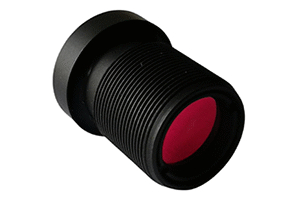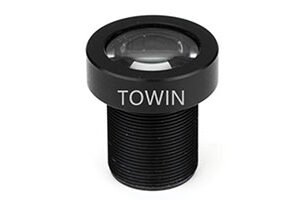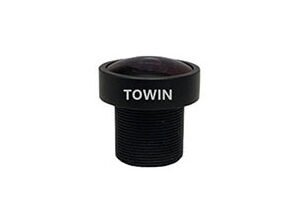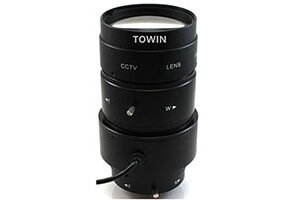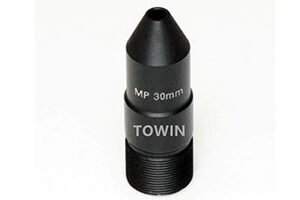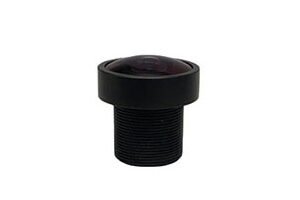


In modern manufacturing, quality inspection demands uncompromising precision. Defects as small as a fraction of a millimeter can lead to product failures, recalls, or safety hazards. This is where M12 macro lenses for quality inspection shine, offering unmatched clarity and adaptability for microscopic analysis. Designed for industrial applications, these lenses combine compact size with powerful magnification, making them indispensable for sectors like electronics, automotive, and pharmaceuticals.
Why M12 Macro Lenses Are Critical for Quality Inspection
The M12 lens, with its 12mm diameter, is engineered to capture minute details without sacrificing image quality. Unlike standard lenses, M12 macro lenses for quality inspection excel in close-range imaging, enabling inspectors to detect surface irregularities, scratches, or contaminants invisible to the naked eye. Their compact form factor allows integration into automated systems, robotic arms, or portable devices, ensuring flexibility across diverse inspection setups.
Key Features of M12 Macro Lenses:
- High Magnification: Zoom in on defects at microscopic levels.
- Low Distortion: Maintain accuracy with minimal geometric warping.
- Durability: Built to withstand harsh industrial environments.
- Cost-Effective: Deliver premium performance without breaking the bank.
Top 5 Benefits of M12 Macro Lenses for Quality Inspection
1. Superior Image Resolution
M12 macro lenses produce crystal-clear images, even at high magnifications. This is vital for inspecting tiny components like semiconductor chips or medical device parts. For example, a M12 macro lens can reveal cracks in a circuit board’s solder joints that standard lenses might miss, preventing costly production errors.
2. Compact and Lightweight Design
Space constraints are common in manufacturing facilities. The M12 lens’s small footprint makes it ideal for tight spaces, such as robotic inspection stations or handheld scanners. Its lightweight build also reduces strain on mechanical systems, extending equipment lifespan.
3. Versatility Across Industries
From automotive paint defects to pharmaceutical tablet consistency, M12 macro lenses for quality inspection adapt to multiple use cases. A single lens can switch between inspecting metal surfaces, textiles, or plastic components, streamlining workflows and reducing costs.
4. Enhanced Automation Compatibility
Modern factories rely on AI-driven inspection systems. M12 lenses integrate seamlessly with machine vision software, providing real-time data for defect classification. Their consistent performance ensures reliable results, minimizing false positives and downtime.
5. Cost Efficiency Without Compromise
High-end inspection tools often come with hefty price tags. M12 macro lenses offer a budget-friendly alternative without sacrificing quality. Their affordability allows small-to-medium enterprises (SMEs) to adopt advanced inspection technologies, leveling the playing field with larger competitors.
How to Choose the Right M12 Macro Lens for Your Needs
- Magnification Range: Higher magnification suits intricate tasks like microelectronics inspection.
- Working Distance: Ensure the lens fits your setup’s physical constraints.
- Light Sensitivity: Opt for lenses with low f-numbers (e.g., f/2.8) for low-light environments.
- Coating Type: Anti-reflective coatings reduce glare, improving image contrast.
FAQs
What industries benefit most from M12 macro lenses?
Electronics, automotive, pharmaceuticals, and aerospace industries rely heavily on M12 lenses for defect detection and component analysis.
How do M12 macro lenses handle reflective surfaces?
Polarizing filters or dark-field illumination techniques can minimize glare on shiny materials like metal or glass.
What maintenance is required for M12 lenses?
Regular cleaning with a microfiber cloth and lens-safe solutions prevents dust buildup. Avoid touching the glass surface directly.
Do M12 lenses work with infrared or UV light?
Specialized M12 lenses are available for non-visible spectra, but standard models are designed for visible light only.
Are M12 lenses waterproof?
Most industrial M12 lenses are splash-resistant but not fully waterproof. For wet environments, choose models with IP67 or higher ratings.
Final Thoughts
In an era where precision is non-negotiable, M12 macro lenses for quality inspection provide a reliable, cost-effective solution. Their ability to deliver high-resolution images in compact form factors makes them a game-changer for industries striving for perfection. By investing in the right M12 lens, you can reduce defects, enhance productivity, and stay ahead of the competition.