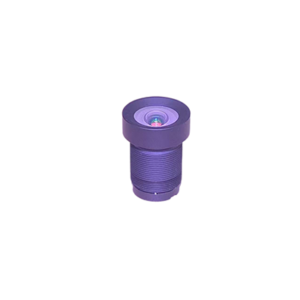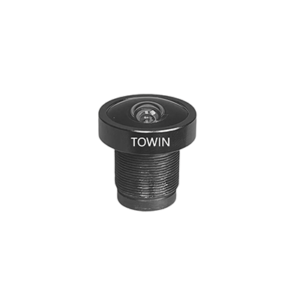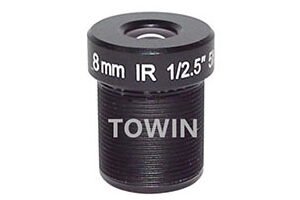


The medical industry relies heavily on precision-engineered components to ensure accurate diagnostics, treatments, and patient care. Among these components, medical optical lenses play a pivotal role in devices like endoscopes, microscopes, ophthalmic instruments, and diagnostic imaging systems. Selecting a trustworthy medical optical lens supplier is not just a business decision—it’s a commitment to quality, safety, and innovation.
Why Partnering with a Specialized Medical Optical Lens Supplier Matters
Medical optical lenses differ from standard lenses due to their stringent requirements for clarity, durability, and biocompatibility. A reputable medical optical lens supplier understands these demands and adheres to industry standards such as ISO 13485 (medical device quality management) and FDA regulations. By collaborating with a supplier that specializes in medical applications, you ensure:
- Precision: High-tolerance manufacturing processes minimize defects, ensuring consistent performance.
- Compliance: Lenses meet global safety and regulatory standards, reducing legal risks.
- Innovation: Access to advanced materials like anti-reflective coatings or UV-blocking filters enhances device functionality.
For instance, a supplier that invests in R&D may offer lenses optimized for minimally invasive surgeries, improving patient outcomes.
Key Criteria for Evaluating a Medical Optical Lens Supplier
1. Quality Certifications and Industry Experience
A reliable supplier should hold certifications like ISO 13485, which demonstrates their commitment to medical-grade quality. Additionally, verify their experience in producing lenses for specific applications (e.g., ophthalmology or dental imaging).
2. Customization Capabilities
Medical devices often require lenses with unique specifications, such as non-spherical shapes or specific wavelength transmissions. A supplier that offers customization ensures your device performs optimally.
3. Material Expertise
The choice of material impacts lens durability and biocompatibility. Common medical-grade materials include:
- Borosilicate glass: Resistant to thermal shock and chemicals.
- Polymer lenses: Lightweight and shatterproof, ideal for portable devices.
- Coated lenses: Anti-fog or scratch-resistant coatings enhance longevity.
A knowledgeable supplier will recommend the best material for your application.
4. Supply Chain Reliability
Medical device manufacturers cannot afford delays. Evaluate the supplier’s production capacity, lead times, and contingency plans for disruptions. A supplier with multiple manufacturing sites or local inventory can mitigate risks.
5. Cost Transparency
While cost shouldn’t be the sole factor, transparency in pricing helps budget planning. Beware of suppliers offering unusually low prices—they may compromise on quality. Request detailed quotes that include tooling, testing, and shipping costs.
Common Challenges When Selecting a Medical Optical Lens Supplier
- Balancing Cost and Quality: Cutting corners on lens quality can lead to device malfunctions or regulatory penalties.
- Navigating Regulations: Compliance with international standards like CE Marking or FDA approval adds complexity.
- Scalability: Ensuring the supplier can handle increased production volumes as your business grows.
A proactive approach—such as conducting audits or requesting sample lenses—can help overcome these challenges.
FAQs
1. What certifications should a medical optical lens supplier have?
Look for ISO 13485 certification and, if applicable, FDA registration or CE Marking for European markets. These indicate adherence to medical device quality standards.
2. How do I verify a supplier’s track record?
Check client testimonials, case studies, and industry awards. Reach out to references to ask about the supplier’s reliability and problem-solving abilities.
3. Can a supplier provide lenses for both diagnostic and therapeutic devices?
Yes, many suppliers offer lenses tailored to diverse applications, from MRI machines to laser surgery tools. Clarify your needs during initial consultations.
4. What is the typical lead time for custom medical lenses?
Lead times vary based on complexity but range from 4–12 weeks. Suppliers with rapid prototyping capabilities may offer shorter timelines.
5. How often should I audit my medical optical lens supplier?
Annual audits are standard, but conduct them more frequently if your device is high-risk or if the supplier has a history of quality issues.
The Future of Medical Optical Lenses
Advancements in nanotechnology and AI are reshaping lens manufacturing. For example, smart lenses with embedded sensors could soon monitor vital signs in real time. Partnering with a forward-thinking medical optical lens supplier ensures your devices stay at the cutting edge.
Conclusion
Choosing the right medical optical lens supplier is a strategic decision that impacts your product’s performance, safety, and market success. By prioritizing quality, customization, and compliance, you can build a partnership that drives innovation and growth.