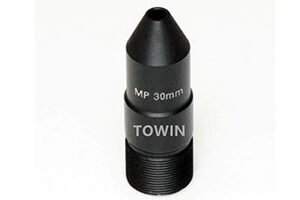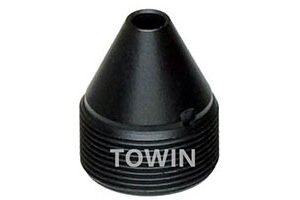


The narrow field of view pinhole lens is a niche yet powerful tool in photography, offering unique advantages that standard lenses cannot replicate. By combining a minuscule aperture with a restricted viewing angle, this lens creates striking images with extreme depth of field and minimal distortion.
What Is a Narrow Field of View Pinhole Lens?
A narrow field of view pinhole lens is a camera lens that uses a tiny aperture (often just a few micrometers wide) to project light onto a sensor or film. Unlike traditional lenses, which rely on glass elements to focus light, a pinhole lens achieves sharpness through simplicity. The “narrow field of view” refers to its limited angular coverage, typically ranging from 30° to 60°, which forces photographers to frame shots deliberately.
This design eliminates chromatic aberration and lens flare, producing crisp, ethereal images. However, the trade-off is longer exposure times due to the reduced light intake. Modern adaptations, such as digital pinhole attachments, have mitigated this issue, making the technology more accessible.
Key Benefits of the Narrow Field of View Pinhole Lens
- Unparalleled Depth of Field: The tiny aperture ensures that nearly everything in the frame, from foreground to background, remains in focus. This is ideal for landscapes or macro photography.
- Compact and Lightweight: Without complex glass elements, pinhole lenses are incredibly portable, perfect for travel or stealth photography.
- Creative Freedom: The narrow field of view encourages experimentation with angles and compositions, yielding abstract or surreal results.
- Cost-Effective: Building a DIY pinhole lens is inexpensive, using materials like aluminum foil or a drilled body cap.
- Durability: With no moving parts, the narrow field of view pinhole lens resists damage from impacts or environmental factors.
Applications in Modern Photography
The narrow field of view pinhole lens excels in:
- Artistic Projects: Creating dreamlike, soft-focus portraits or cityscapes.
- Scientific Imaging: Capturing high-contrast images in low-light conditions, such as astronomy or microscopy.
- Experimental Film: Lo-fi cinematography that embraces imperfections for aesthetic effect.
For example, filmmaker Stan Brakhage famously used pinhole techniques to explore abstract storytelling.
FAQs
1. What are the drawbacks of a narrow field of view pinhole lens?
The primary downside is limited light sensitivity, requiring longer exposures. Additionally, the narrow angle can make framing challenging in fast-paced environments.
2. Can I use a narrow field of view pinhole lens with my DSLR?
Yes! Many photographers adapt pinhole lenses to DSLRs using body caps or specialized mounts. However, manual focus and exposure adjustments are necessary.
3. How does image quality compare to traditional lenses?
While pinhole lenses lack the sharpness of high-end glass, they offer a unique, organic aesthetic. Image quality depends on aperture size and camera stability.
4. Is a narrow field of view pinhole lens suitable for beginners?
Absolutely! Its simplicity encourages learning fundamental photography principles, such as light and composition, without the complexity of autofocus systems.
5. What materials do I need to build a DIY pinhole lens?
A spare camera body cap, aluminum foil, a needle, and sandpaper to create a precise aperture. Online tutorials guide you through the process.
Conclusion
The narrow field of view pinhole lens is a testament to the beauty of minimalism in photography. By embracing its limitations, artists and hobbyists alike can push creative boundaries, producing images that are both technically fascinating and emotionally resonant. Whether purchased commercially or crafted at home, this lens deserves a spot in every photographer’s toolkit.