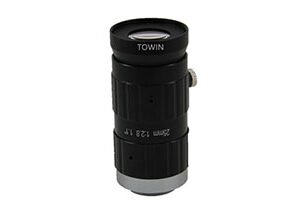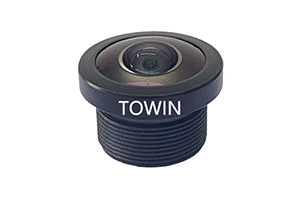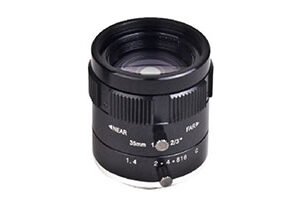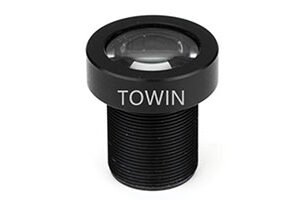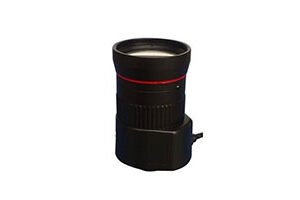


The pharmaceutical industry operates under stringent regulations to ensure patient safety, and packaging integrity is a critical component of this framework. A single defect in packaging—such as misaligned labels, compromised seals, or incorrect dosage information—can lead to catastrophic consequences, including product recalls, legal penalties, and loss of consumer trust. Enter the Pharma Packaging Inspection Lens, a cutting-edge solution leveraging Industrial Lens technology to revolutionize quality control in pharmaceutical manufacturing.
The Role of Industrial Lenses in Pharma Packaging Inspection
Pharmaceutical packaging inspection systems rely on high-precision Industrial Lenses to detect defects that human eyes might miss. These lenses are engineered to capture minute details at high speeds, enabling automated systems to analyze every aspect of packaging—from label alignment and print clarity to seal integrity and container shape. Unlike traditional inspection methods, which are prone to human error and inefficiency, Pharma Packaging Inspection Lens systems integrate machine vision technology to deliver consistent, real-time results.
For instance, a Pharma Packaging Inspection Lens can identify a misprinted batch number on a blister pack within milliseconds, triggering an alert to halt production and prevent defective products from reaching the market. This level of precision is achieved through advanced optical designs, including telecentric lenses for distortion-free imaging and high-resolution lenses for capturing fine text or barcodes.
Key Benefits of Using Industrial Lenses in Pharma Packaging
1. Enhanced Accuracy:
Industrial Lenses eliminate subjectivity by providing objective, data-driven insights. They can detect defects as small as 0.01mm, ensuring compliance with regulatory standards like FDA and EMA guidelines.
2. Increased Efficiency:
Automated inspection systems equipped with Pharma Packaging Inspection Lens technology process thousands of units per minute, significantly reducing production downtime and labor costs.
3. Cost Savings:
By catching defects early, manufacturers avoid costly recalls and waste. A study by the Pharmaceutical Quality Group found that implementing Industrial Lens-based inspection systems reduced defect rates by up to 90%.
4. Scalability:
Whether inspecting small vials or large cartons, Pharma Packaging Inspection Lens systems can be customized to accommodate diverse packaging formats, making them ideal for multi-product facilities.
5. Compliance Assurance:
Regulatory bodies demand traceability and documentation. Industrial Lenses generate detailed inspection reports, providing audit trails for every batch produced.
How Industrial Lenses Work in Pharma Packaging Inspection
The process begins when a product moves along a conveyor belt into the inspection zone. A Pharma Packaging Inspection Lens captures high-resolution images of the packaging, which are then analyzed by software algorithms trained to recognize defects. These algorithms compare the images against a predefined “golden template” of perfect packaging. Any deviations—such as smudged ink, cracked seals, or misaligned labels—are flagged for rejection.
For example, a Pharma Packaging Inspection Lens might use polarized light to detect hidden cracks in glass vials or infrared imaging to verify the presence of desiccants in blister packs. Some systems even incorporate 3D imaging to assess the shape and dimensions of containers, ensuring they meet specifications.
Future Trends in Pharma Packaging Inspection
The future of Pharma Packaging Inspection Lens technology is bright, with advancements like artificial intelligence (AI) and the Internet of Things (IoT) poised to take quality control to new heights. AI-powered systems can learn from past defects, improving detection rates over time, while IoT connectivity enables real-time monitoring across multiple production lines.
Additionally, the rise of sustainable packaging is driving demand for Industrial Lenses that can inspect eco-friendly materials like biodegradable plastics or recycled paper. These lenses must adapt to varying textures and transparencies without compromising accuracy.
FAQs
1. What types of defects can a Pharma Packaging Inspection Lens detect?
A Pharma Packaging Inspection Lens can identify a wide range of defects, including misprinted labels, damaged seals, incorrect fill levels, foreign particles, and container deformities.
2. How do Industrial Lenses ensure compliance with regulatory standards?
Industrial Lenses provide objective, reproducible data that aligns with regulatory requirements. They generate detailed logs of every inspection, which can be submitted during audits to demonstrate compliance.
3. Are Pharma Packaging Inspection Lens systems expensive to implement?
While initial costs vary based on system complexity, the long-term savings from reduced waste and recalls often justify the investment. Many manufacturers report ROI within 1-2 years.
4. Can Industrial Lenses inspect transparent or reflective packaging?
Yes, specialized Industrial Lenses use techniques like coaxial lighting or dark-field illumination to inspect transparent or reflective surfaces without glare or distortion.
Conclusion
The Pharma Packaging Inspection Lens, powered by advanced Industrial Lens technology, is transforming how pharmaceutical companies ensure packaging quality. By combining precision, speed, and scalability, these systems not only protect patients but also safeguard brand reputation and bottom lines.