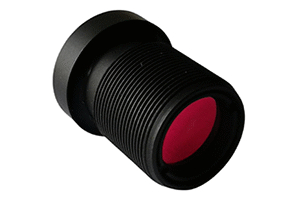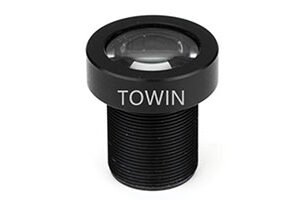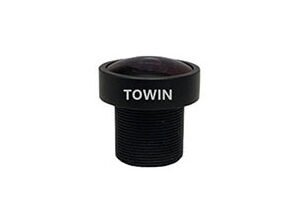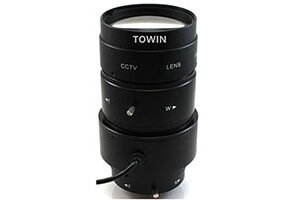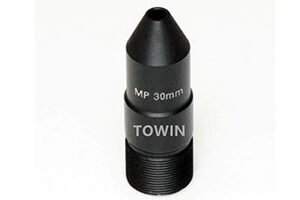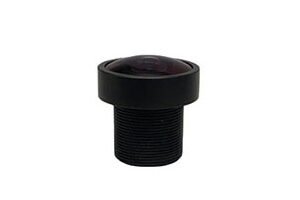


In the world of precision optics, S-Mount Lenses with Anti-Reflection Coating stand out as a revolutionary advancement. Designed to minimize light loss and maximize image quality, these lenses are indispensable in industries ranging from surveillance and machine vision to medical imaging and consumer electronics.
Why Anti-Reflection Coating Matters for S-Mount Lenses
Light reflection is a common challenge in optical systems. When light hits a lens surface, up to 4% of it can bounce back, causing glare, ghosting, and reduced contrast. This is particularly problematic in compact lens designs like S-Mount Lenses, which are widely used in small-form-factor cameras and sensors.
S-Mount Lenses with Anti-Reflection Coating address this issue by applying a thin, multi-layer film to the lens surface. This coating reduces reflection by allowing more light to pass through, resulting in:
- Higher light transmission (up to 99.8% in some cases).
- Elimination of unwanted artifacts like lens flare.
- Improved color accuracy and sharpness.
The coating works by exploiting the principles of destructive interference. Each layer is engineered to reflect light of specific wavelengths, canceling out reflections and ensuring optimal performance across the visible spectrum.
Top 5 Advantages of S-Mount Lenses with Anti-Reflection Coating
1. Enhanced Image Quality
By reducing reflections, these lenses produce clearer, more detailed images. This is critical in applications like industrial inspection, where even minor defects can lead to costly errors.
2. Increased Durability
Anti-reflection coatings often include scratch-resistant properties, protecting the lens surface from environmental damage. This extends the lifespan of S-Mount Lenses in harsh conditions.
3. Improved Low-Light Performance
With less light lost to reflection, more photons reach the image sensor. This is invaluable for night vision systems, automotive cameras, and other low-light applications.
4. Cost Efficiency
While anti-reflection coatings add a slight premium, they eliminate the need for multiple lenses to achieve similar clarity. This reduces system complexity and overall costs.
5. Versatility Across Industries
From drones and robotics to biometric scanners, S-Mount Lenses with Anti-Reflection Coating adapt seamlessly to diverse environments, ensuring consistent performance.
Applications of S-Mount Lenses with Anti-Reflection Coating
1. Surveillance & Security
High-resolution CCTV cameras rely on these lenses to capture crisp footage, even in challenging lighting conditions.
2. Machine Vision Systems
Automated quality control in manufacturing demands precision. Anti-reflection coatings ensure accurate defect detection without interference.
3. Medical Imaging
Endoscopes and diagnostic devices benefit from reduced glare, enabling clinicians to view tissues and organs with unprecedented clarity.
4. Consumer Electronics
Smartphone cameras and AR/VR headsets use S-Mount Lenses to deliver vibrant, artifact-free visuals.
5. Automotive Industry
Advanced driver-assistance systems (ADAS) depend on these lenses for reliable object detection and lane recognition.
Choosing the Right S-Mount Lenses with Anti-Reflection Coating
When selecting lenses, consider:
- Wavelength Range: Ensure compatibility with your application’s light spectrum (e.g., visible, IR, or UV).
- Coating Type: Multi-layer broadband coatings outperform single-layer alternatives.
- Environmental Resistance: Opt for coatings rated for humidity, temperature extremes, or chemical exposure.
FAQs
1. What is the lifespan of anti-reflection coatings?
Properly applied coatings can last 5–10 years, depending on usage. Avoid abrasive cleaning to maximize longevity.
2. Can these lenses be used in extreme temperatures?
Yes, but choose coatings rated for your operating range. Some variants withstand -40°C to 85°C.
3. Do anti-reflection coatings affect lens focus?
No. The coating is ultra-thin (typically <1µm) and does not alter the lens’s optical properties.
4. Are S-Mount Lenses compatible with all cameras?
They fit cameras with an M12 (12mm) thread, common in compact imaging systems. Verify compatibility before purchase.
5. How much do these lenses cost compared to uncoated alternatives?
Prices vary, but expect a 10–20% premium. The ROI comes from improved performance and reduced maintenance.
Conclusion
S-Mount Lenses with Anti-Reflection Coating represent a leap forward in optical engineering. By combining compact design with advanced coatings, they deliver unmatched clarity and reliability.