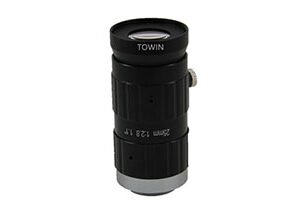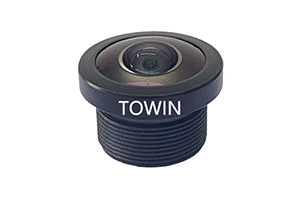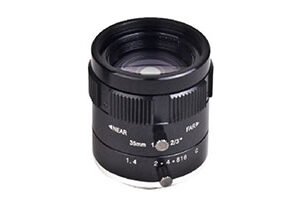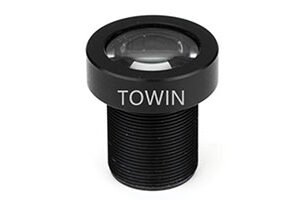


The textile industry thrives on precision, speed, and flawless output. However, even minor defects in fabrics can lead to significant financial losses, customer dissatisfaction, and reputational damage. Enter the Textile Defect Detection Lens—a game-changing Industrial Lens solution designed to identify flaws with unparalleled accuracy.
Why the Textile Defect Detection Lens Matters in Modern Manufacturing
In a competitive market, manufacturers cannot afford to overlook defects. Traditional manual inspections are time-consuming, error-prone, and inefficient. The Textile Defect Detection Lens addresses these challenges by automating the inspection process. Using high-resolution Industrial Lenses, it captures microscopic imperfections such as holes, stains, uneven weaves, or color mismatches.
This system operates at speeds unmatched by human inspectors, processing thousands of meters of fabric per hour. Its integration with machine learning algorithms enables it to adapt and improve over time, reducing false positives and enhancing detection rates. For manufacturers, this translates to lower waste, higher productivity, and a stronger bottom line.
How Does the Textile Defect Detection Lens Work?
- High-Resolution Imaging: The Industrial Lens captures detailed images of the fabric surface under controlled lighting conditions.
- Image Processing: Advanced software analyzes the images, identifying patterns and anomalies that indicate defects.
- AI Classification: Machine learning models classify defects by type, severity, and location, enabling targeted corrective actions.
- Real-Time Feedback: The system alerts operators immediately, allowing for quick adjustments to machinery or processes.
This seamless workflow ensures that defects are detected early, preventing defective products from reaching customers.
Key Benefits of Using a Textile Defect Detection Lens
- 1. Enhanced Accuracy: Industrial Lenses provide crystal-clear images, enabling the detection of defects as small as 0.1mm.
- 2. Cost Efficiency: Automating inspections reduces labor costs and minimizes material waste.
- 3. Scalability: The system can be customized for different fabric types, widths, and production speeds.
- 4. Data-Driven Insights: Detailed defect reports help manufacturers identify recurring issues and optimize their processes.
- 5. Compliance: Meets international quality standards, ensuring market access and customer trust.
Applications Across the Textile Supply Chain
- Weaving and Knitting: Detect broken yarns, missed stitches, or tension issues.
- Dyeing and Finishing: Identify color inconsistencies, spots, or chemical stains.
- Cutting and Sewing: Spot misaligned patterns, puckering, or seam defects.
- Final Inspection: Ensure finished garments or home textiles are defect-free before packaging.
Future Trends in Textile Defect Detection
The evolution of Industrial Lens technology is paving the way for smarter, faster, and more reliable defect detection systems. Here are some trends to watch:
- 3D Imaging: Future lenses may use 3D scanning to detect surface irregularities invisible to 2D systems.
- Edge Computing: On-device processing will reduce latency, enabling real-time corrections without relying on cloud servers.
- Blockchain Integration: Defect data could be stored on blockchain networks for transparent, tamper-proof quality tracking.
- Sustainability Focus: Systems will prioritize eco-friendly materials and energy-efficient operations to align with global sustainability goals.
FAQs
What types of defects can the Textile Defect Detection Lens identify?
The system detects a wide range of flaws, including holes, stains, oil marks, yarn breaks, and color variations.
How fast can the system inspect fabric?
Speed depends on the setup, but advanced systems can process up to 100 meters of fabric per minute.
Is the Textile Defect Detection Lens suitable for small-scale manufacturers?
Yes! Compact, cost-effective versions are available for businesses of all sizes.
What maintenance is required for the Industrial Lens?
Regular cleaning and calibration ensure optimal performance. Some systems offer self-cleaning features to minimize downtime.
How does the Textile Defect Detection Lens compare to manual inspections?
It’s faster, more accurate, and consistent, eliminating human error and fatigue-related mistakes.
Conclusion
The Textile Defect Detection Lens represents a leap forward in quality control, combining the precision of Industrial Lenses with the intelligence of AI. By adopting this technology, manufacturers can achieve higher productivity, lower costs, and unmatched product quality.