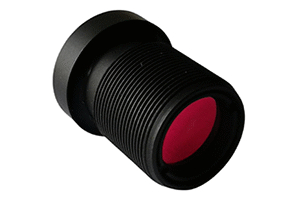


The automotive industry is constantly evolving, with innovations aimed at improving safety, comfort, and longevity. One such breakthrough is the UV-resistant automotive lens, a specialized optical component designed to shield drivers and passengers from harmful ultraviolet (UV) radiation while enhancing driving visibility. Whether you’re navigating sunny highways or dealing with glare during dawn or dusk, a UV-resistant automotive lens offers unparalleled protection and performance.
What Is a UV-Resistant Automotive Lens?
A UV-resistant automotive lens is a transparent or tinted optical element engineered to block or filter out ultraviolet (UV) rays from sunlight. These lenses are commonly used in windshields, side mirrors, rearview mirrors, and headlight covers. Unlike standard lenses, UV-resistant variants incorporate advanced coatings or materials that absorb or reflect UV radiation, preventing it from penetrating the vehicle’s interior or damaging sensitive components.
How Do UV-Resistant Automotive Lenses Work?
UV-resistant automotive lenses rely on two key mechanisms: absorption and reflection.
- Absorption: Some lenses are treated with chemical coatings that absorb UV rays before they reach the vehicle’s interior. These coatings contain organic or inorganic compounds that convert UV energy into harmless heat, which dissipates quickly.
- Reflection: Other lenses use metallic or dielectric coatings to reflect UV rays away from the lens surface. This method is particularly effective for high-intensity UV exposure, such as during midday sun or in snowy environments where UV rays reflect off surfaces.
Many modern UV-resistant automotive lenses combine both methods to maximize protection. For example, a windshield might feature a laminated structure with UV-absorbing interlayers and anti-reflective coatings on the exterior.
Top Benefits of UV-Resistant Automotive Lenses
1. Enhanced Eye Protection
Prolonged exposure to UV rays can cause cataracts, macular degeneration, and other eye conditions. A UV-resistant automotive lens acts as a barrier, reducing the amount of UV radiation that reaches your eyes. This is especially crucial for drivers who spend hours on the road daily.
2. Reduced Glare and Eye Strain
Glare from sunlight or reflective surfaces like snow or water can impair visibility and cause fatigue. UV-resistant lenses minimize glare by filtering out harsh light wavelengths, ensuring a clearer view of the road ahead.
3. Longer Lifespan for Automotive Glass
UV rays can degrade plastic and glass components over time, leading to discoloration, brittleness, or cracks. A UV-resistant automotive lens slows this process, preserving the structural integrity of windshields, mirrors, and headlights.
4. Improved Safety in Extreme Conditions
In high-altitude areas or regions with intense sunlight, UV levels can be dangerously high. UV-resistant lenses provide an extra layer of safety, reducing the risk of temporary blindness or accidents caused by sudden glare.
5. Cost-Effective Maintenance
By preventing UV-related damage, these lenses reduce the need for frequent replacements or repairs. This translates to long-term savings for vehicle owners and fleet managers.
Common Applications of UV-Resistant Automotive Lenses
- Windshields: Most modern windshields come with built-in UV protection, but aftermarket upgrades can enhance performance.
- Side Mirrors: UV-resistant coatings on side mirrors reduce glare from trailing vehicles, improving lane-change safety.
- Rearview Mirrors: Anti-glare rearview mirrors with UV resistance enhance nighttime driving visibility.
- Headlight Covers: UV-resistant lenses protect headlights from fogging or yellowing, maintaining optimal brightness.
FAQs
Do UV-resistant automotive lenses affect visibility at night?
No, UV-resistant lenses are designed to filter out specific wavelengths of light (UV) without altering visibility in low-light conditions. In fact, they can reduce glare from oncoming headlights, improving nighttime driving safety.
Can I install UV-resistant lenses myself?
While some aftermarket lenses come with DIY kits, professional installation is recommended to ensure proper fit and alignment. Improper installation could compromise safety or reduce UV protection.
How often should I replace UV-resistant automotive lenses?
The lifespan of a UV-resistant lens depends on usage and exposure to harsh conditions. However, most high-quality lenses last 5–10 years before needing replacement.
Are UV-resistant lenses more expensive than standard lenses?
Initially, UV-resistant lenses may cost slightly more, but their long-term benefits—such as reduced maintenance and enhanced safety—often justify the investment.
Do all modern vehicles come with UV-resistant lenses?
Many new cars include basic UV protection in windshields, but side mirrors and rearview mirrors may lack advanced UV-resistant coatings. Upgrading to aftermarket UV-resistant lenses can provide comprehensive coverage.
Final Thoughts
In an era where road safety and driver comfort are paramount, a UV-resistant automotive lens is no longer a luxury—it’s a necessity. By blocking harmful UV rays, reducing glare, and extending the lifespan of your vehicle’s optical components, these lenses offer a cost-effective way to enhance your driving experience.