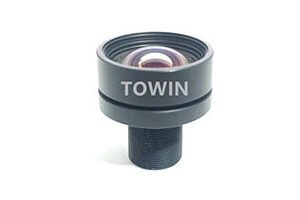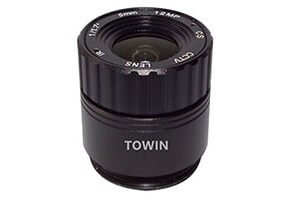


A zoom lens is a game-changer in photography, offering unparalleled flexibility by allowing photographers to adjust the focal length seamlessly. Unlike prime lenses, which have a fixed focal length, a zoom lens lets you zoom in or out to frame your subject perfectly—all without swapping gear.
What Exactly Is a Zoom Lens?
A zoom lens is a type of camera lens that combines multiple focal lengths into one unit. By rotating a ring or pressing a button, you can transition from wide-angle views (e.g., 24mm) to telephoto magnification (e.g., 200mm). This versatility makes it ideal for dynamic environments where you need to adapt quickly, such as events, sports, or travel photography.
5 Key Benefits of Using a Zoom Lens
1. Unmatched Versatility
A zoom lens eliminates the need to carry multiple prime lenses. For example, a 24-70mm zoom covers standard to short-telephoto ranges, while a 70-200mm zoom excels in distant subjects. This adaptability is invaluable for photographers who shoot diverse genres.
2. Speed and Convenience
Imagine capturing a bird in flight: with a zoom lens, you can instantly adjust from a wide shot to a tight crop without missing the moment. This speed is critical in fast-paced scenarios like weddings or street photography.
3. Creative Control Over Composition
Zoom lenses let you experiment with perspective. By zooming in, you can compress background elements for a blurred effect (bokeh), while zooming out captures expansive scenes. This control helps you tell stories through visuals.
4. Cost-Effectiveness
Investing in a high-quality zoom lens can be more economical than buying several prime lenses to cover the same focal range. For instance, a professional 24-105mm zoom often costs less than purchasing separate 24mm, 50mm, and 105mm primes.
5. Compact and Portable
Carrying a single zoom lens reduces gear weight and bulk. This is especially beneficial for travel photographers or those shooting handheld for extended periods.
Are There Drawbacks?
While zoom lenses offer incredible flexibility, they sometimes compromise on maximum aperture size compared to primes, affecting low-light performance.
Final Thoughts
A zoom lens is a must-have tool for photographers seeking adaptability, efficiency, and creative freedom. By mastering its capabilities, you can tackle any shooting scenario with confidence.