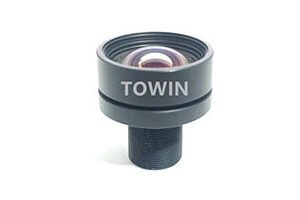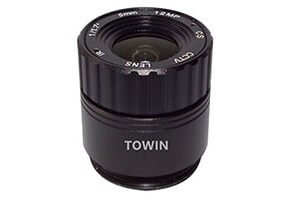


Photography enthusiasts often debate the merits of zoom lenses versus fixed focal lens. While zoom lenses offer flexibility, a fixed focal length lens (also called a prime lens) delivers unmatched sharpness, speed, and creative control.
What Is a Fixed Focal Length Lens?
A fixed focal length lens has a single, unchanging focal length (e.g., 35mm, 50mm, or 85mm). Unlike zoom lenses, which allow you to adjust the focal length, a fixed focal lens requires photographers to physically move closer or farther from the subject to frame shots. This limitation, however, fuels creativity and technical mastery.
What Is a Fixed Focal Length Lens Used For? 10 Key Applications
1. Portrait Photography
Fixed focal length lenses like 50mm or 85mm are ideal for portraits. Their wide apertures (e.g., f/1.8 or f/1.4) create a shallow depth of field, blurring backgrounds and isolating subjects beautifully. The natural perspective of these lenses also avoids distortion, ensuring flattering facial proportions.
2. Low-Light Shooting
Fixed focal lenses often feature wider maximum apertures than zoom lenses, allowing more light to hit the sensor. This makes them perfect for indoor events, night photography, or astrophotography. For example, a 35mm f/1.4 lens excels in dimly lit environments without requiring high ISO settings.
3. Street Photography
The compact size and lightweight design of fixed focal lenses make them ideal for street photography. A 50mm lens mimics the human eye’s field of view, enabling candid shots with minimal distraction. Photographers like Henri Cartier-Bresson famously relied on fixed focal lenses for their iconic street work.
4. Video Production
Fixed focal lenses are a staple in filmmaking due to their consistent image quality and smooth bokeh. They also force filmmakers to plan shots meticulously, improving storytelling. Many cinematographers prefer lenses like the 24mm or 35mm for their cinematic look.
5. Landscape Photography
Wide-angle fixed focal lenses (e.g., 20mm or 24mm) capture expansive vistas with minimal distortion. Their sharpness and clarity make them excellent for detailed landscapes, while their compact size suits hiking or travel photography.
6. Macro Photography
Specialized fixed focal macro lenses (e.g., 100mm) allow extreme close-ups with high magnification. Their flat field of focus ensures edge-to-edge sharpness, critical for capturing intricate details like insect wings or flower petals.
7. Sports and Action Photography
While telephoto zooms dominate sports photography, fixed focal lenses like 135mm or 200mm offer faster autofocus and wider apertures. This combination freezes motion and isolates subjects from busy backgrounds, even in challenging lighting.
8. Architectural Photography
Fixed focal lenses with minimal distortion (e.g., 24mm tilt-shift lenses) are perfect for architectural photography. They maintain straight lines and geometric precision, avoiding the warping common with zoom lenses.
9. Product Photography
The sharpness and color accuracy of fixed focal lenses make them ideal for commercial product shots. A 50mm or 85mm lens ensures every detail is crisp, while the wide aperture creates a professional, polished look.
10. Creative Bokeh Effects
Fixed focal lenses with wide apertures produce stunning bokeh—the aesthetic quality of out-of-focus areas. This is particularly useful for portraiture, food photography, or any scene where you want to emphasize the subject while artistically blurring the background.
Why Choose a Fixed Focal Length Lens?
- Superior Image Quality: Fixed focal lenses have fewer moving parts, reducing optical imperfections.
- Faster Apertures: Most prime lenses offer apertures like f/1.8 or f/1.4, ideal for low light.
- Lightweight and Portable: They’re smaller and lighter than zoom lenses, making them great for travel.
- Cost-Effective: High-quality fixed focal lenses are often cheaper than professional zoom lenses.
- Encourages Creativity: The lack of zoom forces photographers to think critically about composition and perspective.
FAQs
What is a fixed focal length lens used for in portrait photography?
Fixed focal lenses like 85mm create flattering perspectives with minimal distortion, while wide apertures blur backgrounds for a professional look.
Can a fixed focal length lens be used for landscapes?
Absolutely! Wide-angle fixed focal lenses (e.g., 24mm) capture sweeping vistas with sharpness and minimal distortion.
Are fixed focal lenses better than zoom lenses?
It depends on the situation. Fixed focal lenses excel in image quality and low-light performance, while zoom lenses offer versatility. Many photographers use both.
What is a fixed focal length lens used for in video production?
Fixed focal lenses provide consistent image quality and smooth bokeh, making them ideal for cinematic storytelling.
Do fixed focal lenses work well for macro photography?
Yes! Specialized fixed focal macro lenses (e.g., 100mm) offer high magnification and edge-to-edge sharpness for detailed close-ups.
Final Thoughts
What is a fixed focal lens used for? The answer lies in its ability to deliver exceptional image quality, creative freedom, and technical precision across genres. Whether you’re shooting portraits, landscapes, or videos, a fixed focal lens is a powerful tool that can elevate your work.