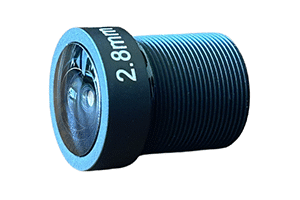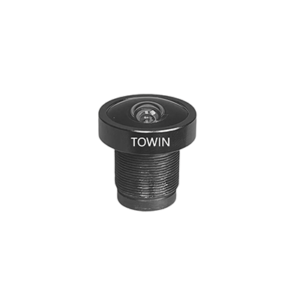


Photography enthusiasts and professionals alike understand the power of a Wide Angle Lens in capturing expansive landscapes, architectural marvels, or intimate interior scenes. However, not all wide-angle lenses are created equal. One of the most critical factors to consider is distortion—a common issue that can warp lines, skew proportions, and compromise image quality. Enter the Wide Angle Lens with Low Distortion: a game-changer for photographers seeking precision and clarity.
In this comprehensive guide, we’ll explore why a Wide Angle Lens with Low Distortion is essential, how to choose the right one, and tips for maximizing its potential. Whether you’re shooting real estate, landscapes, or creative portraits, this lens type can transform your workflow and results.
Why Distortion Matters in Wide Angle Lenses
Distortion occurs when straight lines in a scene appear curved or bent, often creating an unnatural or unflattering effect. While some distortion is inevitable in wide-angle lenses due to their field of view, excessive warping can ruin otherwise perfect shots.
There are two primary types of distortion:
- Barrel Distortion: Lines curve outward from the center, common in cheaper or older lenses.
- Pincushion Distortion: Lines curve inward, often seen in telephoto lenses but occasionally in wide-angle models.
A Wide Angle Lens with Low Distortion minimizes these issues, ensuring straight lines remain straight and proportions stay accurate. This is particularly crucial for architectural photography, product shots, and any scenario where precision matters.
Key Features of a Wide Angle Lens with Low Distortion
1. Advanced Optical Design
Modern lenses use aspherical elements and low-dispersion glass to correct distortion. These components reduce aberrations and ensure sharpness across the frame. For example, the Canon EF 16-35mm f/4L IS USM is renowned for its minimal distortion and edge-to-edge clarity.
2. Fixed Aperture vs. Variable Aperture
Lenses with a fixed aperture (e.g., f/2.8) often perform better in low light and maintain consistent exposure settings. However, they tend to be pricier. Variable aperture lenses (e.g., f/3.5-5.6) are more affordable but may introduce slight distortion at wider focal lengths.
3. Image Stabilization
For handheld shooting, built-in stabilization (IS or VR) is a must. It counteracts camera shake, allowing sharper images even in challenging conditions. A Wide Angle Lens with Low Distortion paired with stabilization is ideal for dynamic scenes like events or travel photography.
4. Build Quality and Weight
High-end lenses often feature weather-sealing and durable materials, making them suitable for outdoor use. However, they can be heavy. If portability is a priority, consider lightweight options like the Sony E 20mm f/2.8, which balances performance and convenience.
How to Use a Wide Angle Lens with Low Distortion Effectively
- Mind Your Horizon Line: Place the horizon in the upper or lower third of the frame to avoid unnatural tilting.
- Use a Tripod: For critical shots, stabilize your camera to eliminate minor movements that could exacerbate distortion.
- Shoot in RAW: This format retains more data, allowing for better post-processing corrections if needed.
- Avoid Extreme Angles: Tilted shots can amplify distortion, even in low-distortion lenses. Keep your camera level whenever possible.
FAQs
What causes distortion in wide-angle lenses?
Distortion arises from the lens’s optical design, particularly how light bends as it passes through curved elements. Cheaper lenses or those with simpler designs are more prone to warping.
Can software fix lens distortion?
Yes, tools like Adobe Lightroom and Photoshop offer lens correction profiles that automatically adjust distortion. However, starting with a Wide Angle Lens with Low Distortion reduces the need for heavy post-processing.
Are prime lenses better than zooms for low distortion?
Prime lenses (fixed focal lengths) often have simpler designs, which can lead to less distortion. However, modern zoom lenses like the Nikon Z 14-30mm f/4 S prove that high-quality zooms can rival primes in distortion control.
Is a wide-angle lens worth it for portrait photography?
While wide-angle lenses aren’t traditional for portraits, they can create dramatic, creative effects when used correctly. Just ensure you choose a Wide Angle Lens with Low Distortion to avoid unflattering facial distortions.
Final Thoughts
A Wide Angle Lens with Low Distortion is a powerful tool for photographers seeking precision, clarity, and creative freedom. By understanding its features, benefits, and proper usage, you can capture stunning images that stand out from the crowd.